How to Choose Bike Lights for Seeing and Being Seen
Choosing bike lights becomes easier when the decision begins with a specific job instead of a list of advertised features. For most readers, the goal is riding after dark on streets, paths and unlit roads. That goal determines the useful size, performance level and accessories, and it also reveals which premium features are unlikely to matter. This guide explains how to compare options in a practical order, what to test before committing, and how to judge ownership costs after the initial purchase.
Start with the environment
Begin by describing where, how often and for how long the product will be used. The main scenario here is riding after dark on streets, paths and unlit roads. List the constraints around that scenario: available space, transport, nearby power, expected noise, weather exposure and the people who will operate it. A model that is impressive in a demonstration can still be inconvenient if setup takes too long or if it does not fit the normal storage location. Separate essential requirements from occasional wishes before looking at prices.
Match capability to demand
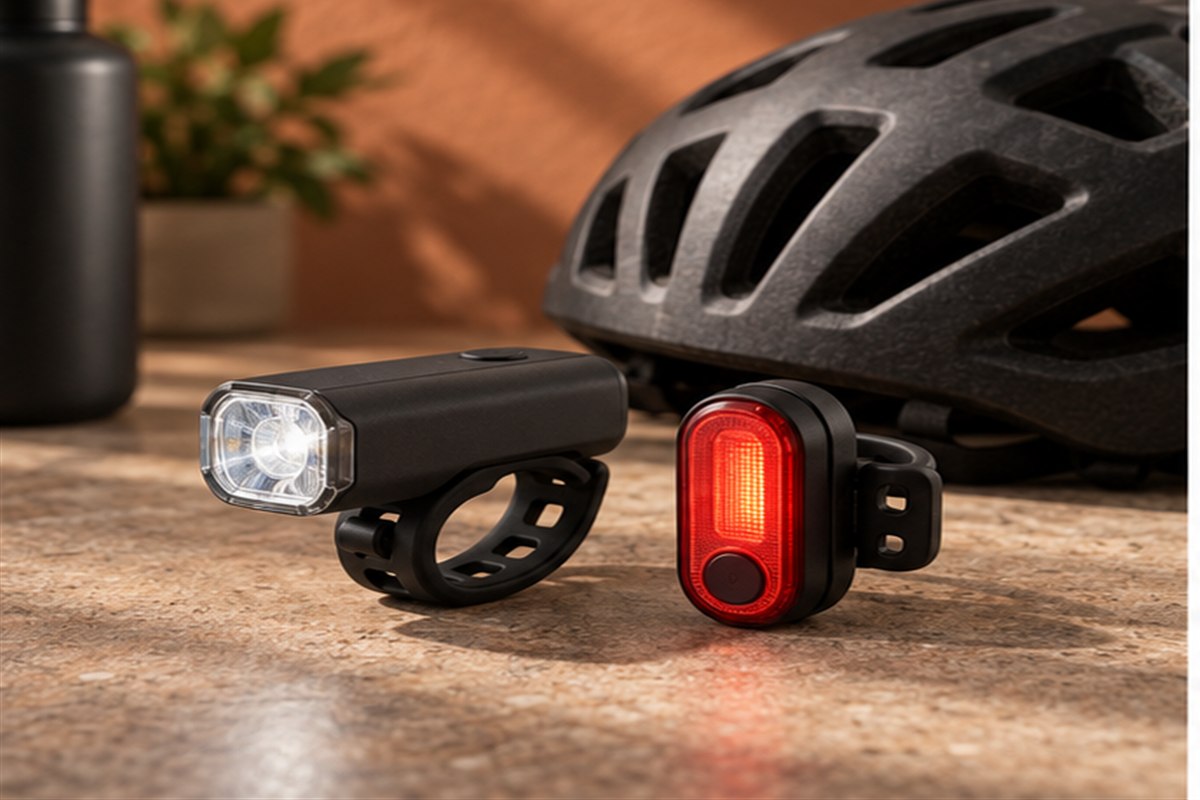
The first comparison should cover beam pattern, real runtime and side visibility. These factors determine whether bike lights can complete the basic task without being pushed to its limit. Manufacturer specifications are useful, but read the measurement conditions and look for independent results when possible. Capacity and output figures may be measured under ideal conditions, while everyday performance is affected by temperature, load, surface, distance and operating mode. Leave a reasonable margin rather than selecting a model that only just reaches the stated requirement.
Next examine mount security, weather resistance and charging connection. These details often separate two products that look similar on a comparison chart. Controls should be understandable without repeatedly opening an app or manual. Connections, consumables and accessories should be available in the region where the product will be used. If one feature depends on a subscription, proprietary cartridge or unusual cable, include that cost and inconvenience in the comparison.
Consider setup and daily friction
Daily handling deserves the same attention as raw performance. Check weight, grip, control placement, display readability, cable reach and the time required to clean or pack the product. Think through the complete routine from taking it out of storage to putting it away. Small sources of friction are easy to overlook during shopping, yet they often decide whether equipment gets used regularly. Reviews are most helpful when they describe this workflow instead of repeating the specification sheet.
The trap behind easy comparisons
One common mistake is using a very bright narrow beam that dazzles others but leaves poor peripheral view. A single large number gives an easy way to rank products, but it rarely describes the complete experience. Consider the conditions behind each claim and whether the maximum setting is sustainable, comfortable and useful. A balanced model with predictable controls, available parts and clear documentation may provide better value than a more powerful option that is awkward in normal use.
Verify the claims yourself
Whenever possible, ride the usual route and check illumination through turns and wet pavement. Use the same materials, room, device or route for every candidate so the comparison stays fair. Record setup time, noise, interruptions and any adjustments needed to reach a good result. Repeat the most important test rather than relying on one successful attempt. If hands-on testing is impossible, look for reviewers who show the full process and disclose the settings and conditions.
Keep performance consistent
A useful product must remain dependable after the novelty fades. As a starting point, charge before long rides and inspect mounts after rough surfaces. Check the warranty length, what the warranty excludes and whether service requires expensive shipping. Price replacement batteries, filters, bags, blades, pads or other wear items before buying. Read the storage guidance as well, especially for products affected by moisture, freezing temperatures or lithium-battery aging.
A concise final checklist
Before ordering bike lights, confirm that it fits the main scenario, meets the two or three performance requirements that matter most, and can be stored and maintained without difficulty. Verify what is included in the box, what must be purchased separately and which return conditions apply after the product has been opened. Compare total ownership cost rather than the sale price alone. The best choice is the model that performs the required job consistently and is straightforward enough to use, clean and store every time.